

Commentary
Why Pakistan, Saudi Arabia, and Turkey are joining forces on regional security.
Alper Coşkun, Amr Hamzawy
{
  "authors": [
    "Sophia Besch",
    "Eric Ciaramella",
    "Steve Feldstein",
    "Noah Gordon",
    "Isaac B. Kardon",
    "Ian Klaus",
    "Jane Darby Menton",
    "Aaron David Miller",
    "Milan Vaishnav",
    "Lesley Anne Warner",
    "Sarah Yerkes"
  ],
  "type": "commentary",
  "blog": "Emissary",
  "centerAffiliationAll": "",
  "centers": [
    "Carnegie Endowment for International Peace"
  ],
  "englishNewsletterAll": "",
  "nonEnglishNewsletterAll": "",
  "programAffiliation": "",
  "topics": [
    "Foreign Policy",
    "Domestic Politics"
  ]
}
(Photo illustration by iStock and Carnegie Endowment)
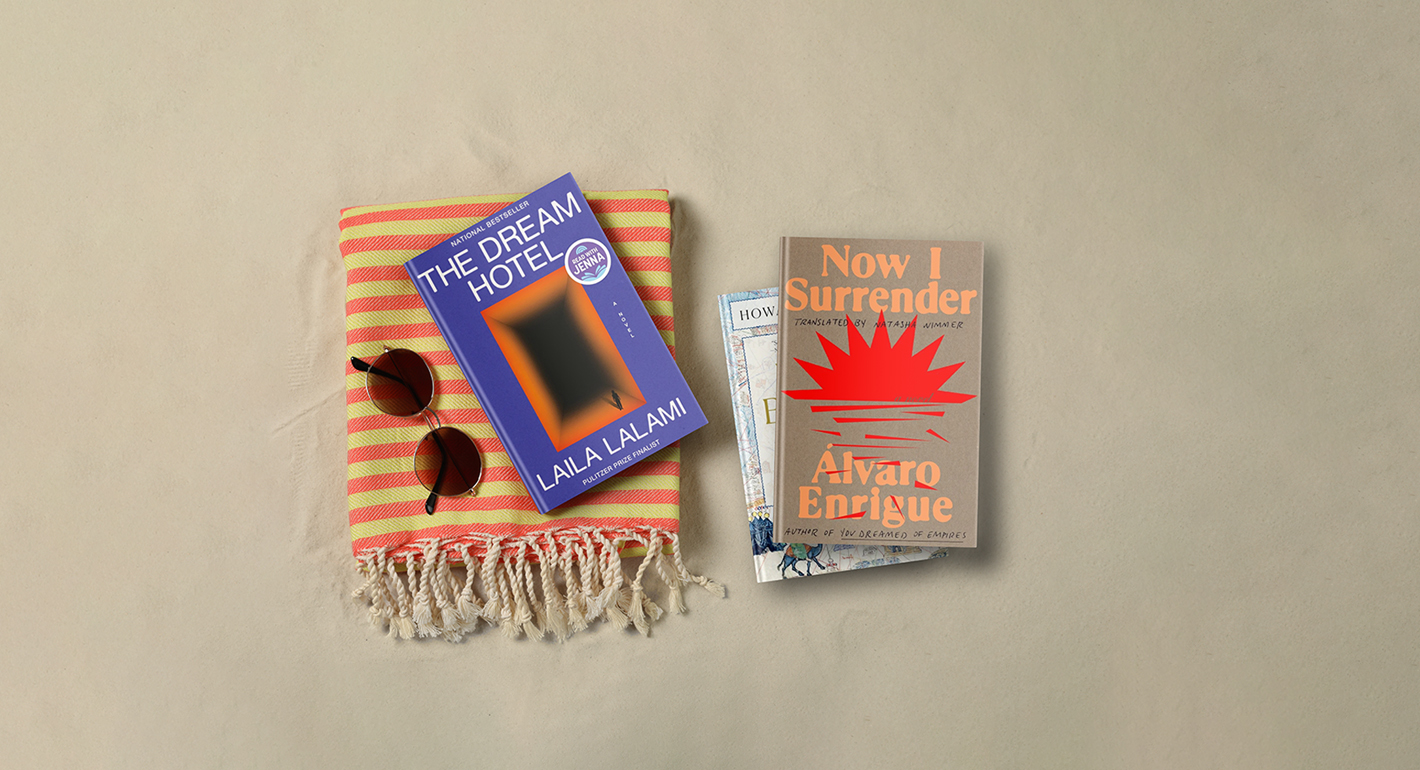
Carnegie experts recommend the books that kept them turning pages—and learning along the way.
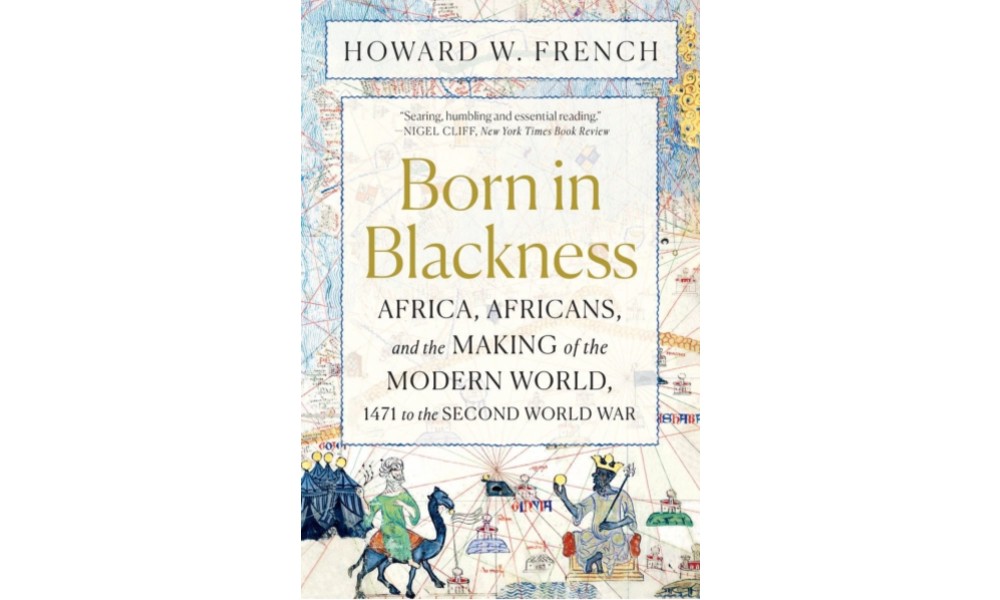
Born in Blackness by Howard W. French
The interwebs say that when reading to newborns, the sound of a parent’s voice is more important than the content of the material itself—so I took that literally during the summer of 2022, when Kid 2 and I devoured Born in Blackness.
In the book, French reframes Africa as a central engine of the modern world’s power and wealth. French forces the reader to critically examine historical narrative to recenter African agency—a prescient corrective as African states increasingly write their own terms of engagement with an ever-widening field of partners. This is why, in an era of diffuse Western influence, Born in Blackness should be essential reading not just for Africanists, but for anyone interested in global history, foreign policy, and geopolitics.
—Lesley Anne Warner, Africa Program
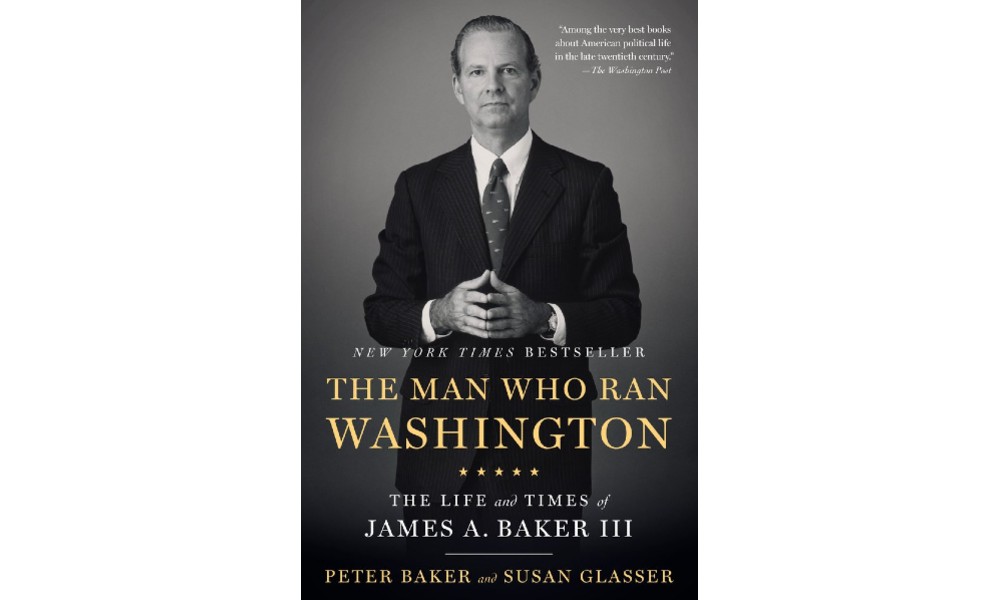
The Man Who Ran Washington by Peter Baker and Susan Glasser
Any politico who answers the question, “How do you want to be remembered?” by saying, among other things, “I left Washington without being indicted” is a guy worth studying.
I spent a couple hours with Baker recently, and at 96, he’s still going strong. On foreign policy, those Bush-and-Baker years were one of the last times the United States was admired, respected, and even feared by allies and adversaries. Those years are not coming back.
—Aaron David Miller, American Statecraft Program
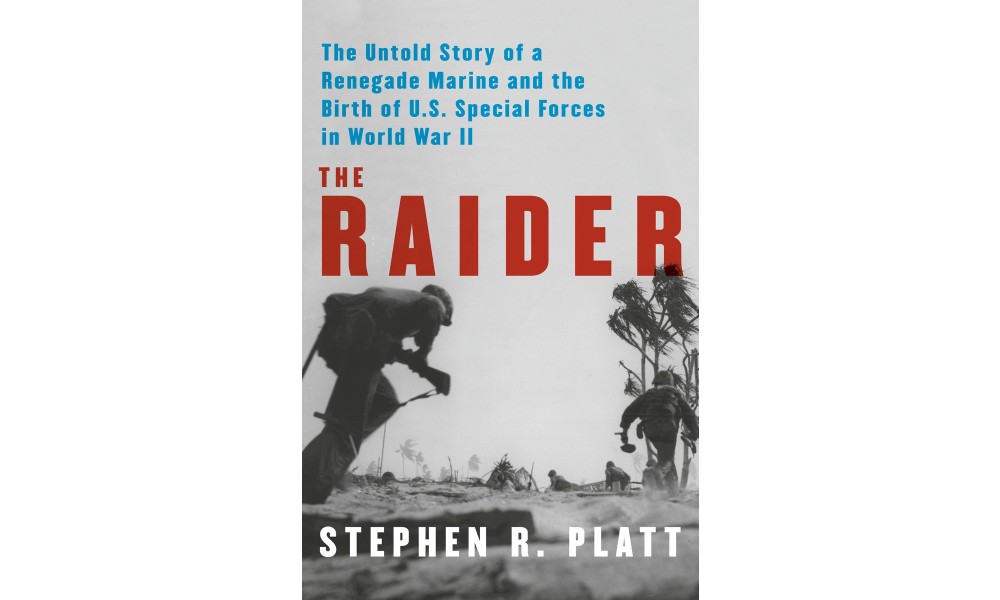
The Raider by Stephen R. Platt
This novelistic biography examines the extraordinary life of Evans Carlson, the charismatic and controversial American Marine officer who befriended Chinese Communist guerillas during the Japanese invasion, earned FDR’s trust as his direct-report China hand, and then helped invent American special operations (and the made-up term “gung ho”).
The Raider is a rich and detailed but accessible story with plenty of fighting, romance, and religion, all built on extraordinary archival research. It offers a unique and grounded perspective on America’s role in World War II in Asia, charting a clear course through the confusion and contingency that have shaped our current international order—insight that is especially salient as China and Russia promote a revisionist narrative.
—Isaac Kardon, Asia Program
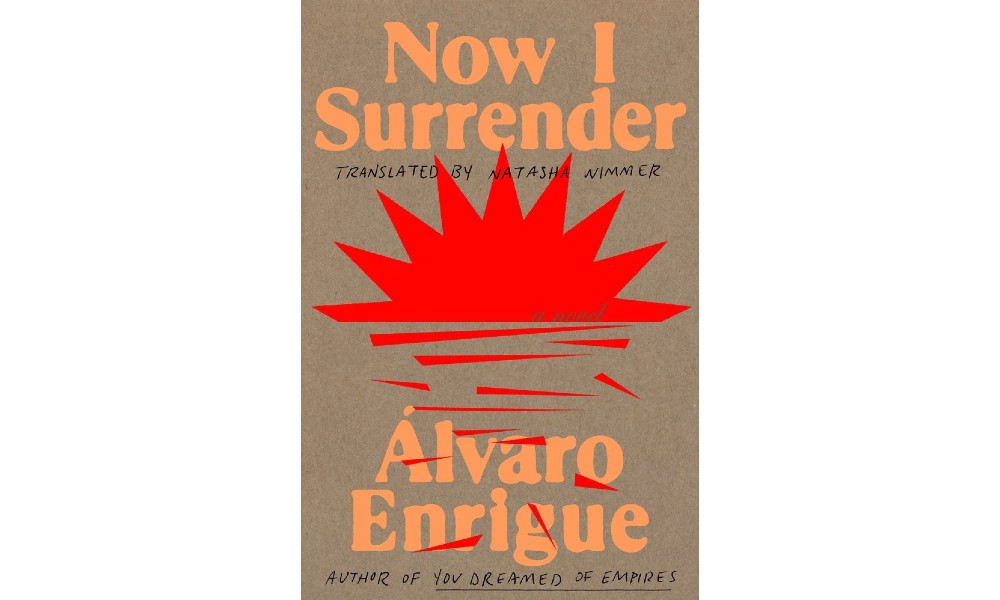
Now I Surrender by Álvaro Enrigue
The Mexican novelist’s brilliant 2016 novel, Sudden Death, turned on Anne Boleyn, Caravaggio, and tennis. Yes, all those things, and rollicking turns through the streets of Rome. His next novel, You Dreamed of Empires, brought together Moctezuma, Hernán Cortés, and no small number of hallucinatory adventures in Tenochtitlan in 1519.
And for summer 2026 and beyond, we have Now I Surrender. True to Enrigue’s gripping historical magical realism but also described as “alt-Western,” the novel begins in a small village and flowers out to a portrait of the Mexico-U.S. borderlands before they were even such. It’s summer, and for a couple weeks we can reimagine how we might move through the world and where lands start and stop. Enrigue helps with that. Plus there is this:
Let there be rattlesnakes, wild goats, piglike coyametl, pheasants, yellow scorpions the size of a child’s hand, coyotes, all sheltered under the junipers and acacia of the chaparral, ratty yucca popping up here and there.
Yes, let there be—and Carnegie California can help with the juniper and rattlesnakes.
—Ian Klaus, Carnegie California
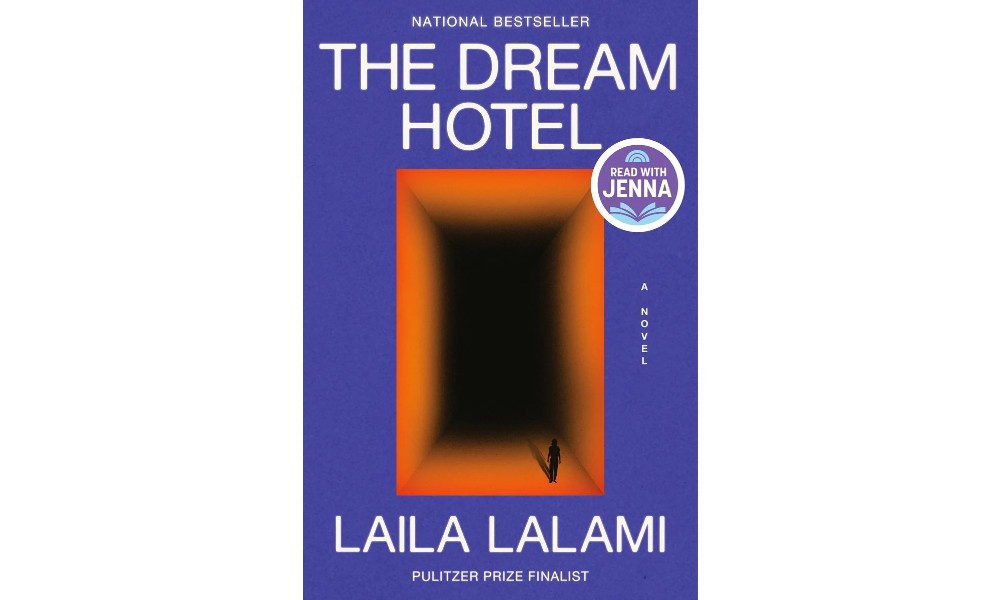
The Dream Hotel by Laila Lalami
Lalami’s 2025 novel is a dystopian account of a woman, Sara Hussein, who is suddenly imprisoned by a government agency for a murder it predicts she will carry out based on data from her dreams collected by a device called Dreamsaver. She is unaware of any of this until she is detained at LAX returning back from a conference in London. Subsequently, she is placed in a carceral facility without a clear exit.
With nods to Kafka as well as contemporary science fiction, The Dream Hotel felt both claustrophobic and engrossing. Side note: I read most of it sitting in the middle economy seat of a long-haul flight from Singapore to San Francisco—perhaps not the best environment in which to settle into this book!
—Steven Feldstein, Democracy, Conflict, and Governance Program (and author of the forthcoming Bytes and Bullets: Global Rivalry, Private Tech, and the New Shape of Modern Warfare)
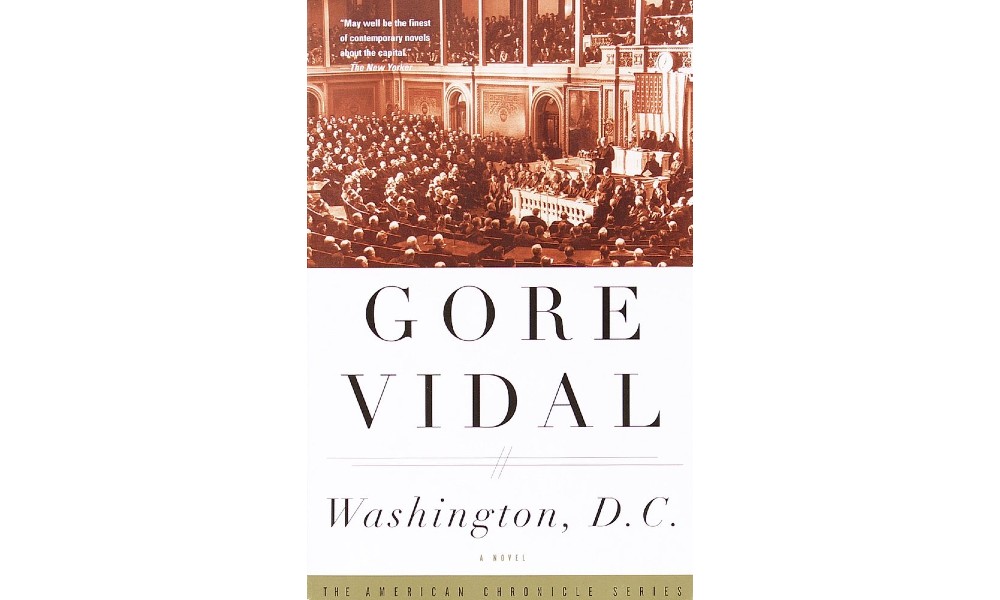
Washington, D.C. by Gore Vidal
Vidal’s book is not new—and not, on its face, about Europe—but I found it an instructive read for any European looking to better understand Washington today.
This is a 1967 novel that opens in July 1937 and moves through the Depression, World War II, the early Cold War, and Korea. It tells an intimate story of political ambition and moral decay, set against the backdrop of the isolationist-versus-internationalist fight over intervening to help Europeans in World War II, the McCarthy-era anti-Communist drive, and the schemes and political entanglements of a newspaper dynasty. It’s also pacy, gossipy, and funny. It’s a beach read for people interested in the transatlantic relationship—who knew such a thing existed.
—Sophia Besch, Europe Program
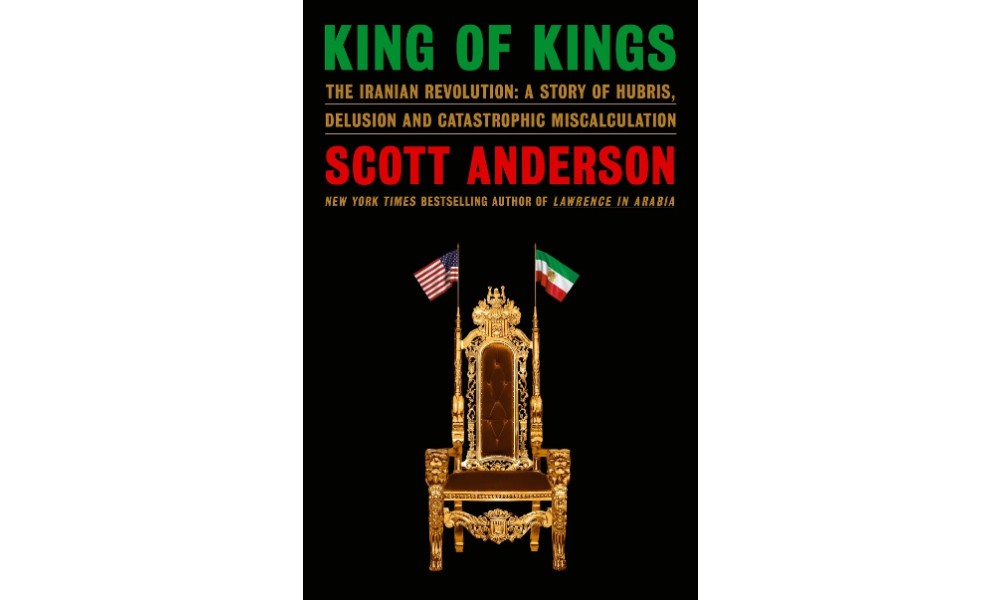
King of Kings by Scott Anderson
This nonfiction book about the Iranian revolution and America’s role in the lead up and aftermath is both a really stellar read and very informative. It is timely, of course, but also offers a lot of lessons for how the United States has bungled our foreign policy in the Middle East for decades and the ramifications for some of those decisions that continue to reverberate today.
—Sarah Yerkes, Middle East Program
I also recommend King of Kings. It’s a book about arrogance and sycophancy, the ramifications of sudden and uneven wealth creation, and how incuriosity on the part of both Iranian and American leadership ultimately changed the world. Plus ça change…
Looking ahead to the later days of summer, I’m hoping to take the title of Shirley Hazzard’s superlative book of essays We Need Silence to Find Out What We Think literally. I should also note that no one writes about the atomic age quite like Hazzard, who found her “confused beginning of pacifism” in the ruins of Hiroshima as a teenager in the wake of World War II.
—Jane Darby Menton, Nuclear Policy Program
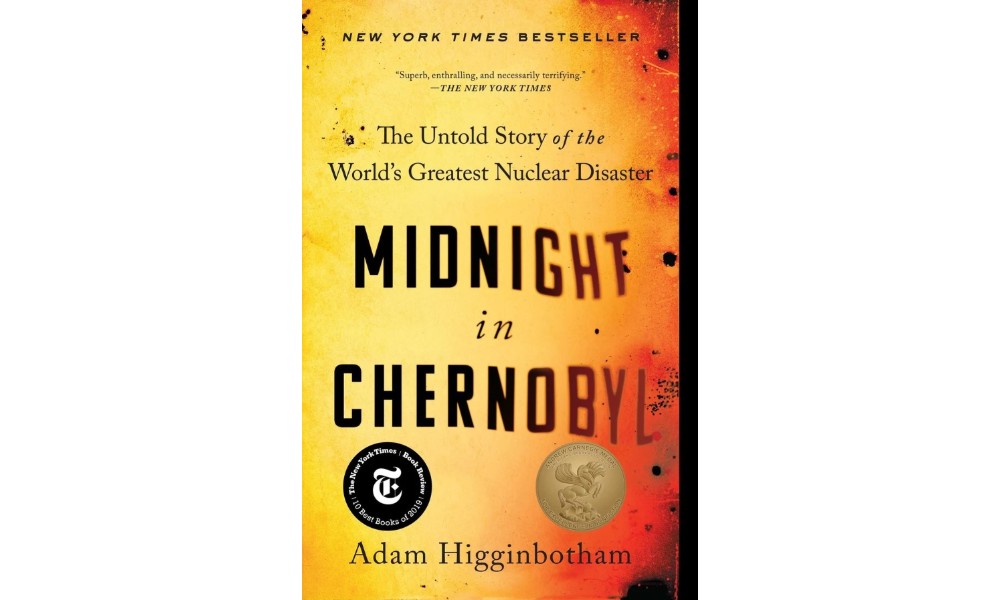
Midnight in Chernobyl by Adam Higginbotham
While you’re ignoring your work emails at the beach this summer, be thankful you’re not Maria Protsenko. She was the chief architect of Pripyat, a city on the outskirts of Kyiv built to house the Chernobyl nuclear power plant’s staff and their families. After Reactor Four melted down on the night of April 26, 1986, Maria’s orderly, park-filled utopia turned into a hellscape. As higher authorities flooded the disaster zone to oversee the evacuation and liquidation efforts, Maria—at the time barred from Communist Party membership because she’d been born in China—had to hand-draw detailed maps of the city because the KGB controlled access to all photocopiers throughout the Soviet Union, fearing that they could be used for espionage.
Maria’s incredible character arc is one of many that Higginbotham brilliantly weaves together in his cinematic account of the worst manmade disaster in history. Higginbotham draws upon years’ worth of archival research and exclusive interviews with the surviving witnesses and participants, from plant engineers and Soviet bureaucrats to firefighters and academic scientists. What’s more, this year marks the fortieth anniversary of this catastrophe, so check out the event we held in the spring, featuring Higginbotham.
—Eric Ciaramella, Russia and Eurasia Program
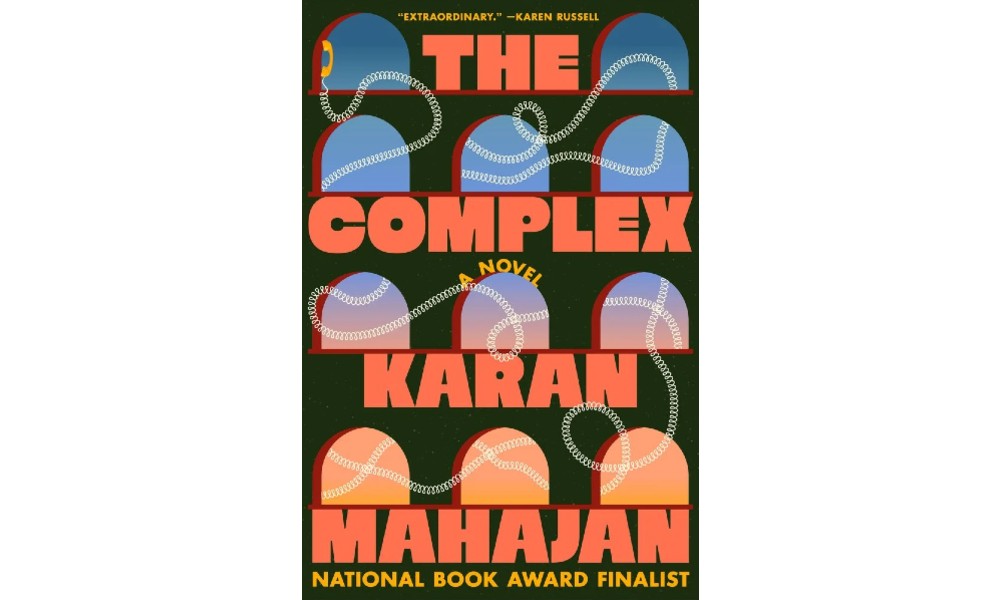
The Complex by Karan Mahajan
The Complex tells the story of the descendants of S. P. Chopra, a grand old man of Indian politics, who live together in a joint-family compound in South Delhi. Set against the social, political, and economic upheaval of India in the 1980s and 1990s, the book offers an intimate portrait of class, culture, and identity politics through a cast of sharply drawn characters and their exploits.
Bonus: We hosted Karan for a book talk at Carnegie this spring.
—Milan Vaishnav, South Asia Program
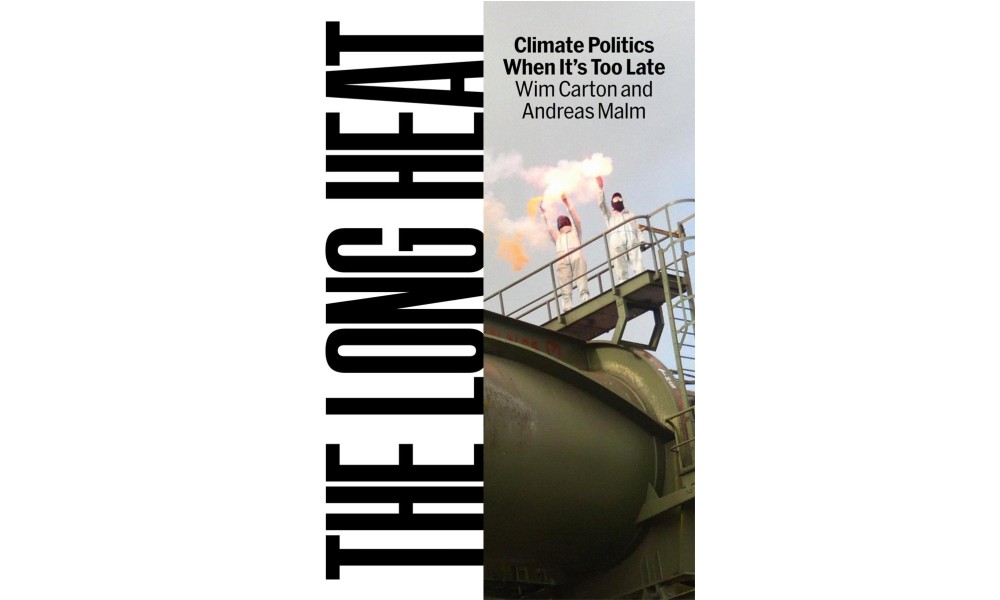
The Long Heat by Andreas Malm and Wim Carton
You’ll want to be sitting under an umbrella for this beach read because it will remind you that summers are getting far too hot. In The Long Heat, Swedish authors Malm and Carton take aim at the “rationalist-optimists,” the capitalists whom they accuse of naively believing we can safely overheat the planet until it explodes, and then put it back together again by sucking carbon from the air and dimming the sun with solar geoengineering. Written with conviction, it should inspire readers to question claims that there’s plenty of time to deal with climate change.
—Noah Gordon, Sustainability, Climate, and Geopolitics Program

Former Senior Fellow, Europe Program
Sophia Besch was a senior fellow in the Europe Program at the Carnegie Endowment for International Peace. Her research focuses on European foreign and defense policy.

Senior Fellow and Ukraine Initiative Director, Russia and Eurasia Program
Eric Ciaramella is a senior fellow in the Russia and Eurasia program at the Carnegie Endowment for International Peace. His work focuses on Ukraine and Russia.

Director and Senior Fellow, Democracy, Conflict, and Governance Program
Steve Feldstein is a senior fellow and director of the Democracy, Conflict, and Governance Program at the Carnegie Endowment for International Peace. His research focuses on technology, national security, the global context for democracy, and U.S. foreign policy. His new book, Bytes and Bullets: Global Rivalry, Private Tech, and the New Shape of Modern Warfare, is now available from St. Martin’s Press.
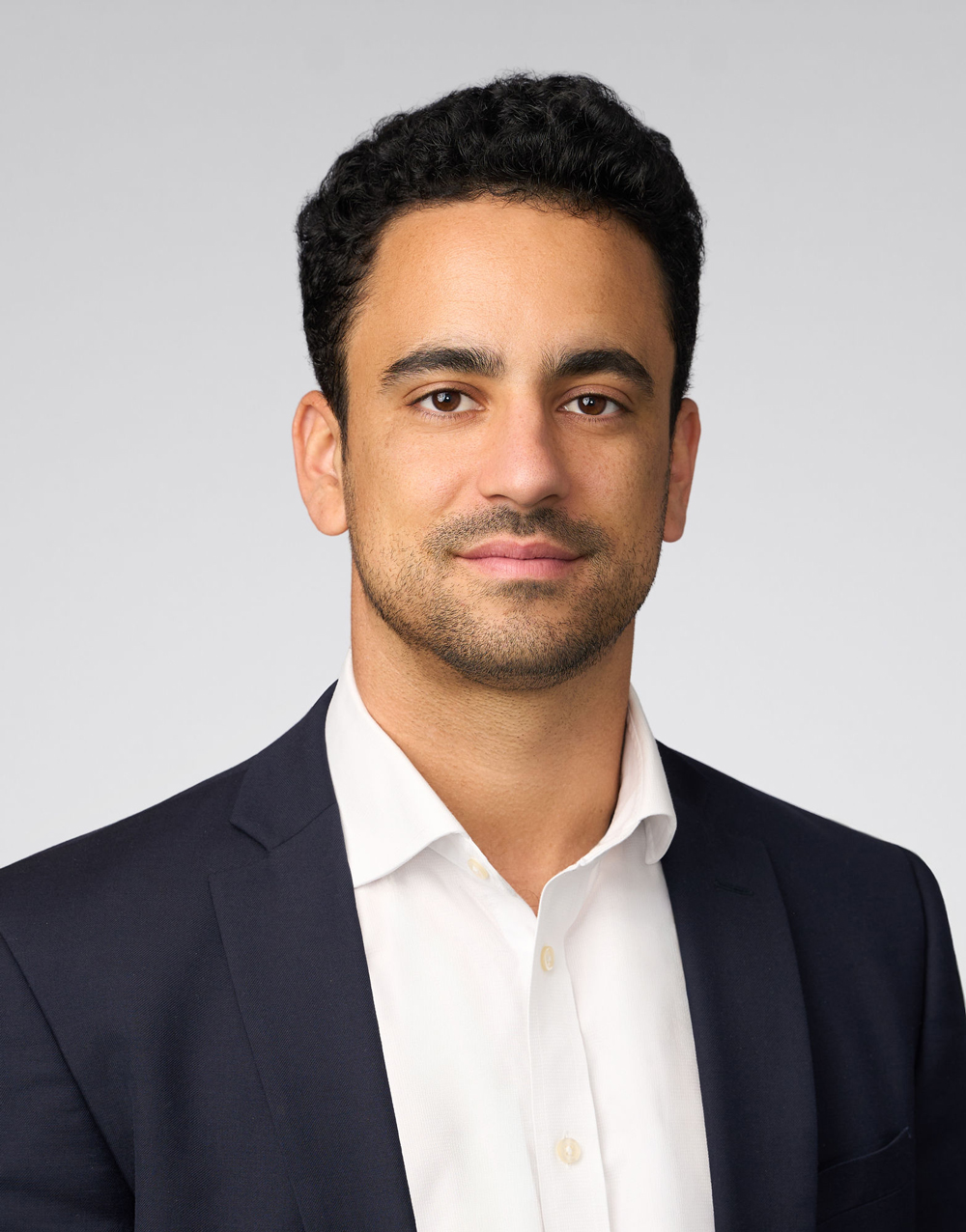
Former Fellow, Sustainability, Climate, and Geopolitics Program and Fellow, Europe Program
Noah J. Gordon was a fellow in the Sustainability, Climate, and Geopolitics Program at the Carnegie Endowment for International Peace in Washington, DC.
Former Senior Fellow, Asia Program
Isaac B. Kardon was a senior fellow for China studies in the Asia Program.

Founding Director, Carnegie California
Ian Klaus is the founding director of Carnegie California. He is a leading scholar on the nexus of urbanization, geopolitics, and global challenges, with extensive experience as a practitioner of subnational diplomacy.

Fellow, Nuclear Policy Program
Jane Darby Menton is a fellow in the Nuclear Policy Program at the Carnegie Endowment for International Peace and director of the Carnegie International Nuclear Policy Conference.

Senior Fellow, American Statecraft Program
Aaron David Miller is a senior fellow at the Carnegie Endowment for International Peace, focusing on U.S. foreign policy.

Director and Senior Fellow, South Asia Program
Milan Vaishnav is a senior fellow and director of the South Asia Program and the host of the Grand Tamasha podcast at the Carnegie Endowment for International Peace. His primary research focus is the political economy of India, and he examines issues such as corruption and governance, state capacity, federalism, and electoral behavior. He also conducts research on the Indian diaspora.

Visiting Scholar, Africa Program
Lesley Anne Warner is a visiting scholar with the Africa Program at the Carnegie Endowment for International Peace, and has over two decades of experience as a foreign policy expert at the intersection of political transitions, stabilization, and security cooperation.

Acting Co-Director and Senior Fellow, Middle East Program
Sarah Yerkes is acting co-director and a senior fellow in the Middle East Program at the Carnegie Endowment for International Peace. Her research focuses on democracy and governance, U.S. foreign policy towards the Middle East and North Africa, and political and economic reform in Tunisia.
Carnegie does not take institutional positions on public policy issues; the views represented herein are those of the author(s) and do not necessarily reflect the views of Carnegie, its staff, or its trustees.
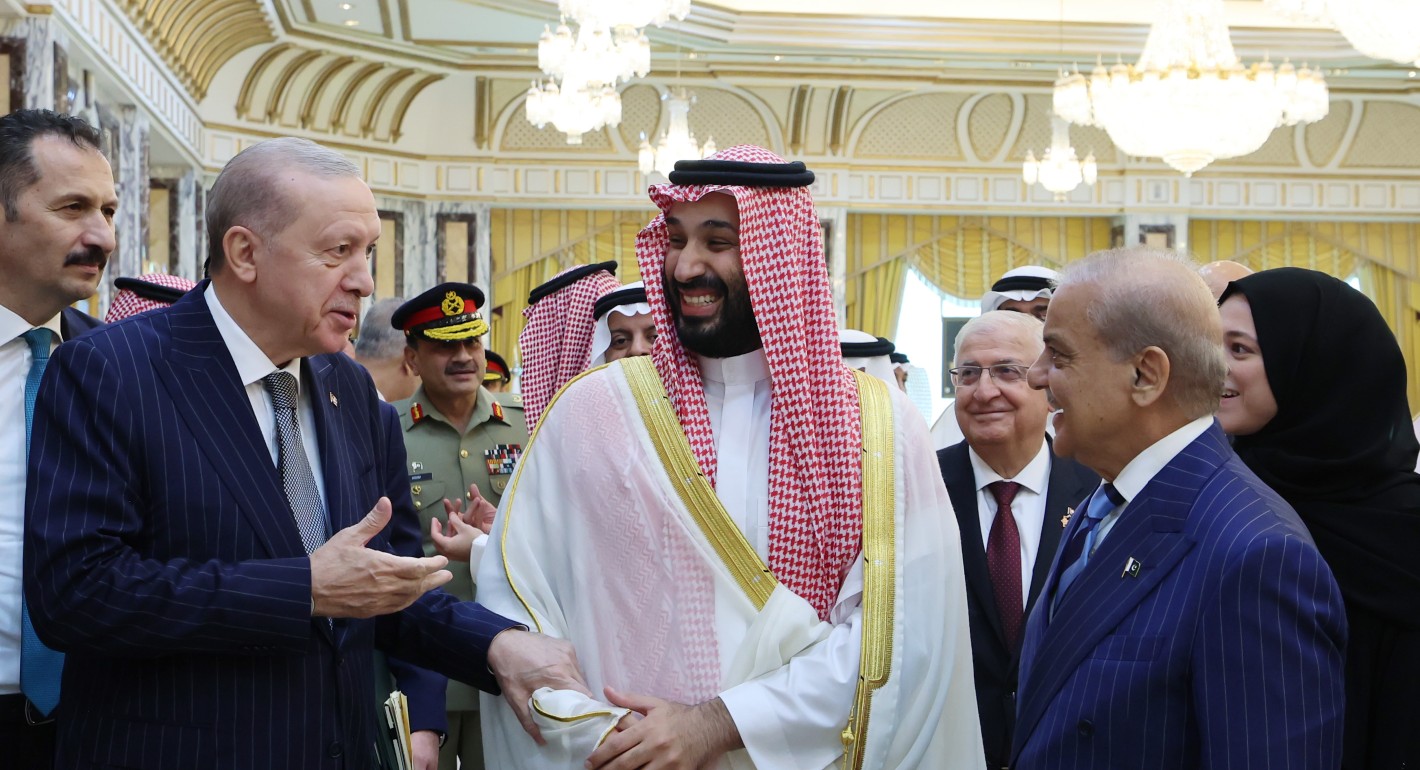
Why Pakistan, Saudi Arabia, and Turkey are joining forces on regional security.


Alper Coşkun, Amr Hamzawy
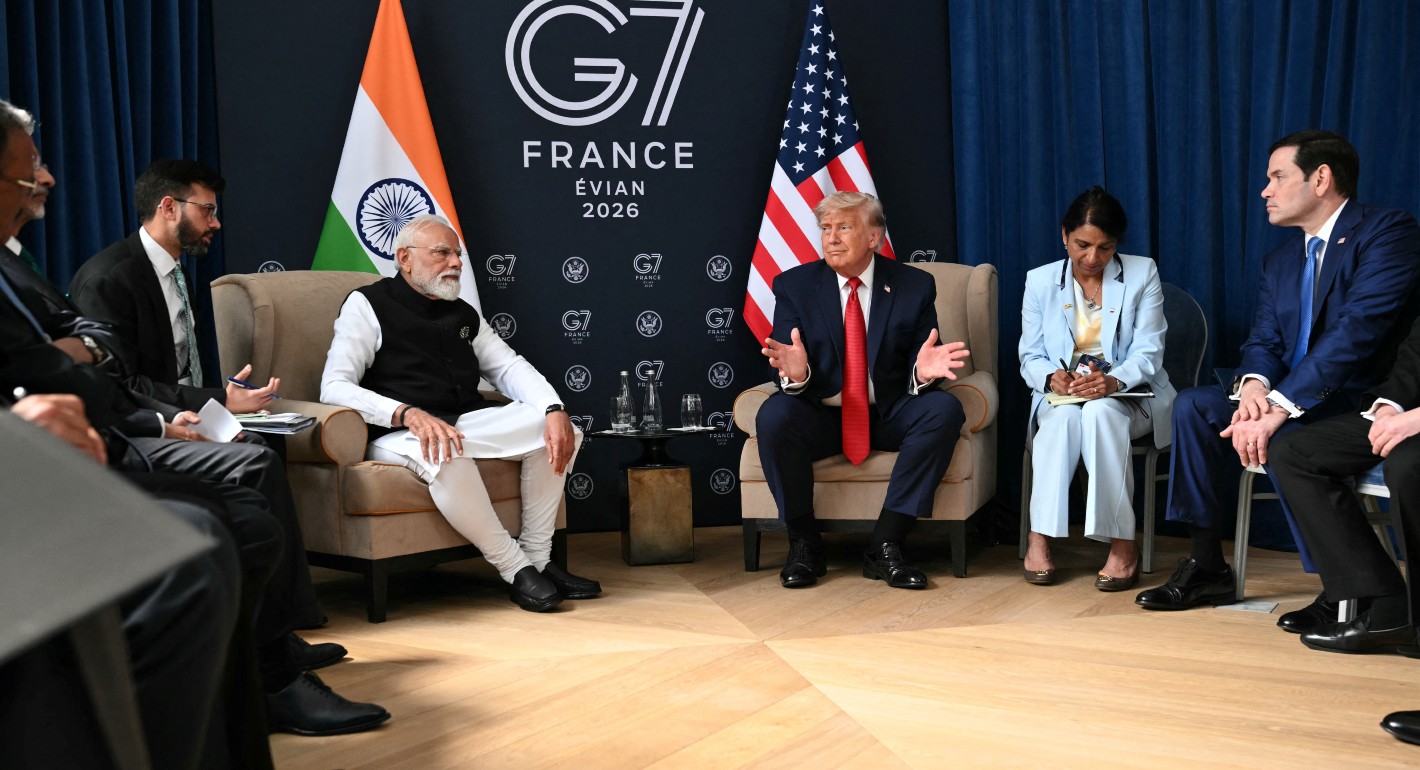
Despite public disputes over trade and immigration, the strategic partnership’s foundations remain sturdy.
Sameer Lalwani
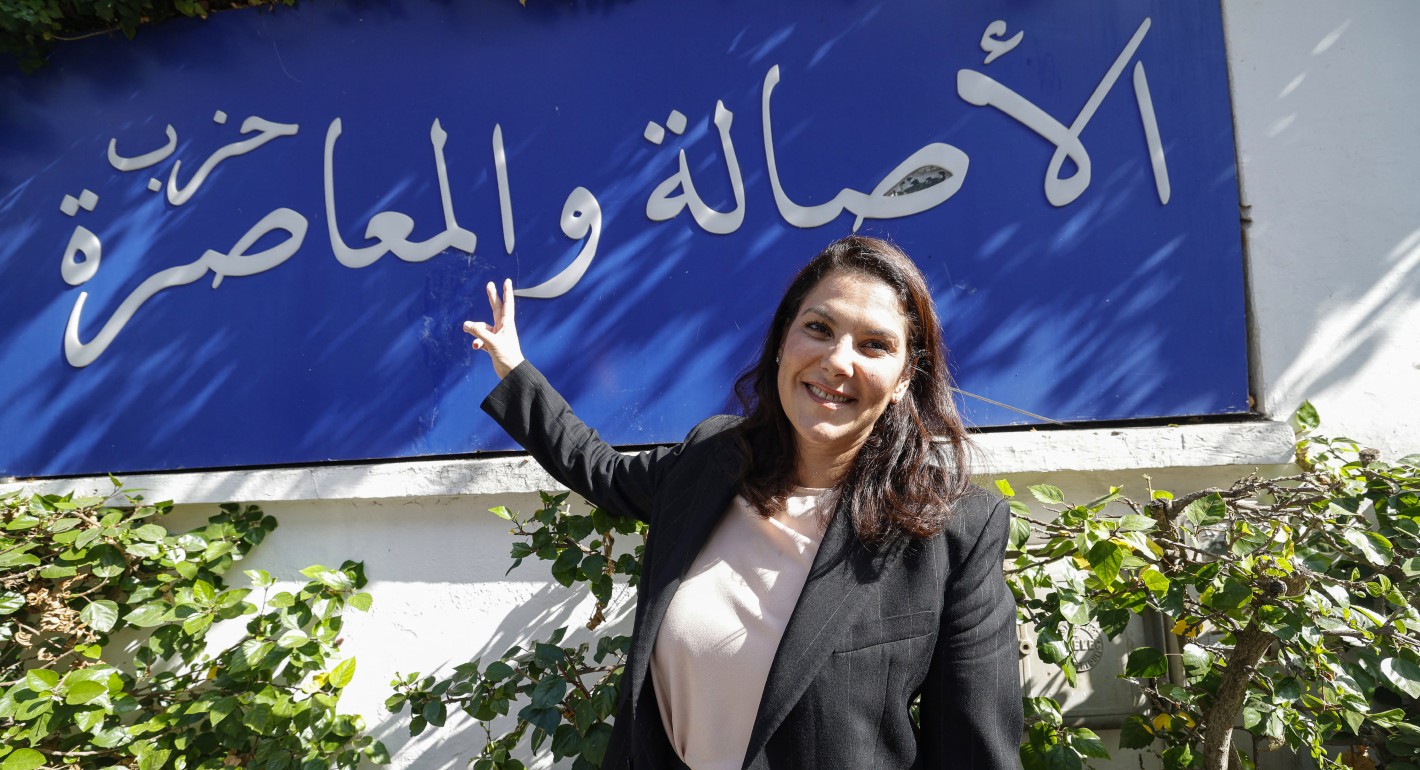
Fatima El Mansouri is the country’s first female prime minister. She’s also a privileged insider in a largely ceremonial position.
Sarah Yerkes

The acknowledgment has sparked fears of a new arms race with China and Russia.

Chris O’Meara
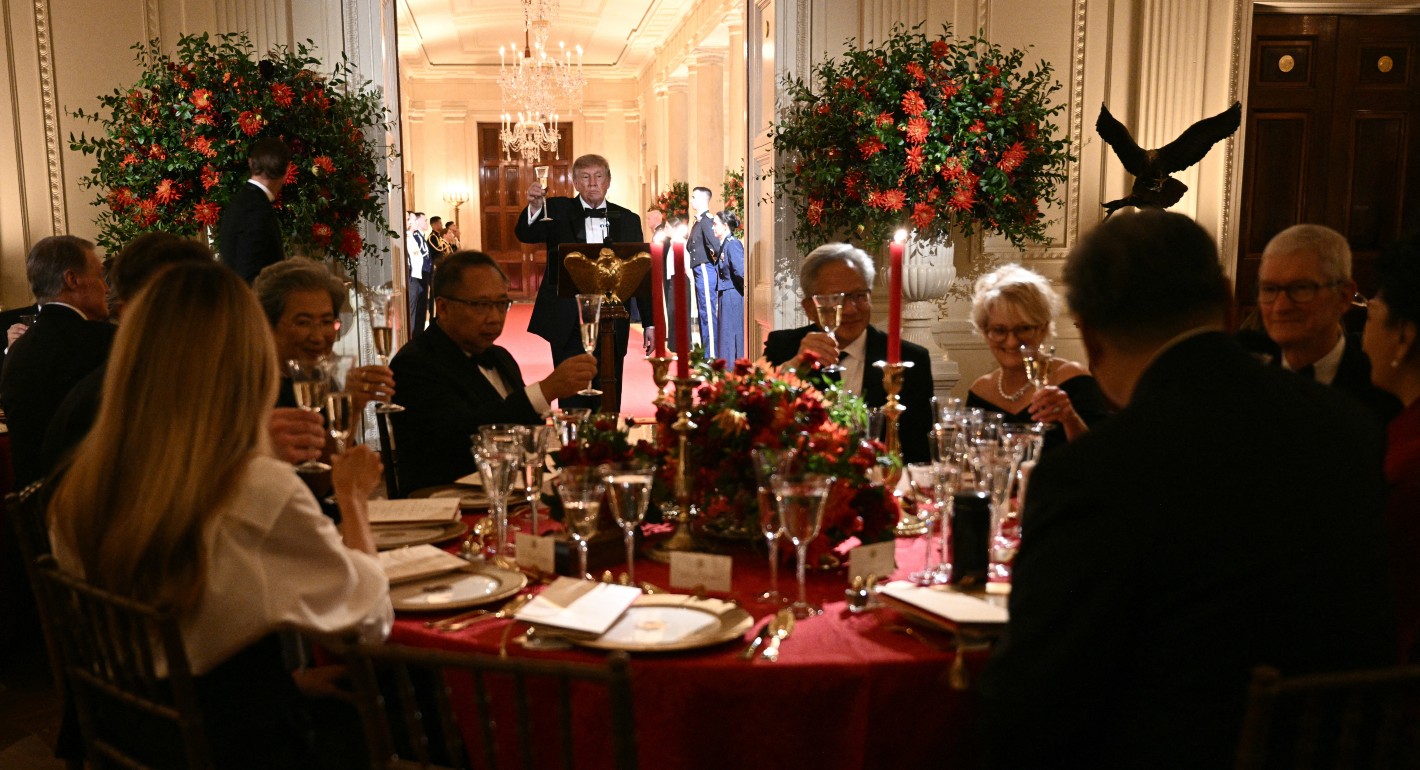
The summit may be remembered as a fatal blunder, when Washington, Beijing, and the AI industry collectively chose ceremony over action.
Jeffrey Prescott