

Commentary
Climate mobility interventions can vary, but they all present opportunities to unlock transformative results that mitigate costs associated with inaction.
Alejandro Martin Rodriguez
{
  "authors": [
    "Joyelle Clarke",
    "Dilpreet Sidhu",
    "Artur Cardoso de Lacerda",
    "Jihyea Kim",
    "Gabriela Marquez",
    "Alejandro Martin Rodriguez",
    "Leonardo Martinez-Diaz"
  ],
  "type": "event",
  "centerAffiliationAll": "dc",
  "centers": [
    "Carnegie Endowment for International Peace"
  ],
  "collections": [
    "Climate Mobility"
  ],
  "englishNewsletterAll": "ctw",
  "nonEnglishNewsletterAll": "",
  "primaryCenter": "Carnegie Endowment for International Peace",
  "programAffiliation": "SCP",
  "programs": [
    "Sustainability, Climate, and Geopolitics"
  ],
  "regions": [],
  "topics": [
    "Climate Change",
    "Migration",
    "Subnational Affairs"
  ]
}
Tue, April 14th, 2026
Carnegie Endowment for International Peace and Live Online
Invalid video URL
The accelerating impacts of climate change on human mobility demand coordinated action across sectors. Despite some progress, last year’s sharp cuts to development, humanitarian, climate, and migration funding for developing countries have worsened many scenarios. Donor nations and private sector investors must step up — but what does meaningful and innovative investment in climate mobility look like?
How can donor support be better used to back fit‑for‑purpose measures across the “spectrum of climate mobility”, prevent displacement where possible, strengthen the resilience of those who stay, and enable safe, dignified, and voluntary mobility when needed? How can investment protect well‑being, reduce risk, and transform climate mobility into an opportunity for more resilient, equitable societies?
Join Carnegie’s Sustainability, Climate, and Geopolitics program for a panel discussion moderated by Alejandro Martin Rodriguez featuring Dilpreet Sidhu, Ana Emilia Pimentel, Artur Cardoso de Lacerda, and Jihyea Kim, bringing together climate, mobility, and finance experts, as well as national and city government leaders, to discuss the role that innovative financing can play in promoting climate mobility solutions that can improve the resilience and adaptation capabilities of societies. Opening remarks will be provided by Hon. Senator Dr. Joyelle Clark and Leonardo Martinez-Diaz. Additional speakers may be announced soon.
Lunch will be served from 12:00pm - 12:30 pm. The panel will take place from 12:30 pm - 2:o0 pm.
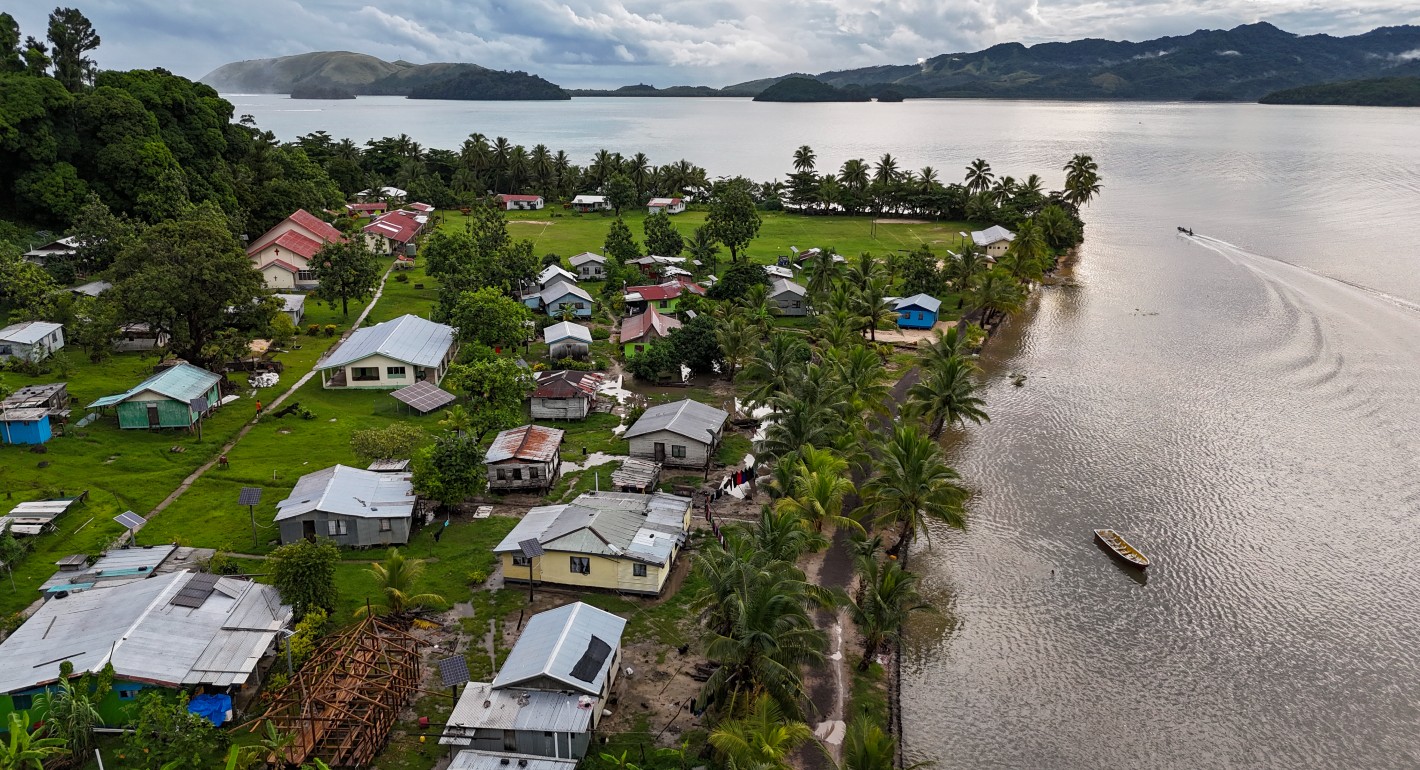
Climate mobility interventions can vary, but they all present opportunities to unlock transformative results that mitigate costs associated with inaction.

Alejandro Martin Rodriguez
Carnegie does not take institutional positions on public policy issues; the views represented herein are those of the author(s) and do not necessarily reflect the views of Carnegie, its staff, or its trustees.
Dr. Joyelle Clarke
Minister of Sustainable Development, Environment, Climate Action, and Constituency Empowerment, St. Kitts and Nevis
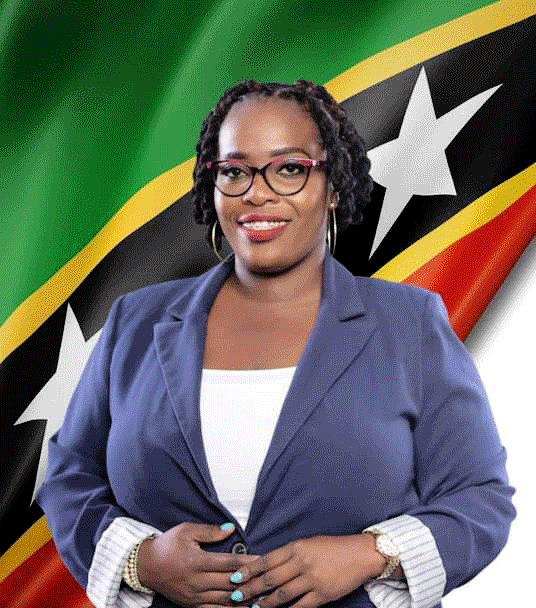
Hon. Senator Dr. Joyelle Clarke is the Minister of Sustainable Development, Environment, Climate Action, and Constituency Empowerment in the government of St. Kitts and Nevis. She became one of the youngest females to become a director of a government office, the Department of Constituency Empowerment in 2012. Shortly thereafter, Dr. Joyelle Clarke worked as an educator, bridging her passion for the environment and youth together under the banner of one of the strongest youth-led environmental programs in St Kitts and Nevis.
Dilpreet Sidhu
Deputy Mayor of International Affairs, City of Los Angeles

Dilpreet Sidhu is deputy mayor of international affairs for Los Angeles, the second largest city in the United States, where she advances Los Angeles’ international relations, international trade and investment, and preparations for major global events, including the 2026 FIFA World Cup and 2028 Olympic and Paralympic Games. She has fifteen years of experience in foreign policy and national security and has held senior positions at the Department of State, the Department of Defense, and the National Security Council at the White House.
Artur Cardoso de Lacerda
Chief Strategy and Impact Officer, Green Climate Fund
Artur Cardoso de Lacerda is the Chief Strategy and Impact Officer and Director of Governance Affairs and Secretary to the Board of the Green Climate Fund. Prior to joining the GCF, Artur was the Director-General for the Office of the President of the New Development Bank (NDB). He served as Senior Counselor for Brazil at the Inter-American Development Bank, and as Senior Advisor for Brazil at the World Bank. He was also Undersecretary for International Affairs at the Brazilian Ministry of Finance.
Jihyea Kim
Program Manager, Programming and Country Engagement, Fund for Responding to Loss and Damage (FRLD)

Jihyea Kim is the program manager of the Programming and Country Engagement team at the Fund for Responding to Loss and Damage (FRLD). She leads the Fund's programming work, overseeing the development and operationalization of funding modalities and instruments, the management of the Fund's pipeline and portfolio, and the engagement with countries and entities to advance country-led and country-owned approaches for responding to climate-induced loss and damage.
Gabriela Marquez
Director of Climate Change and Resilience, Ministry of Environment and Natural Resources of the Dominican Republic
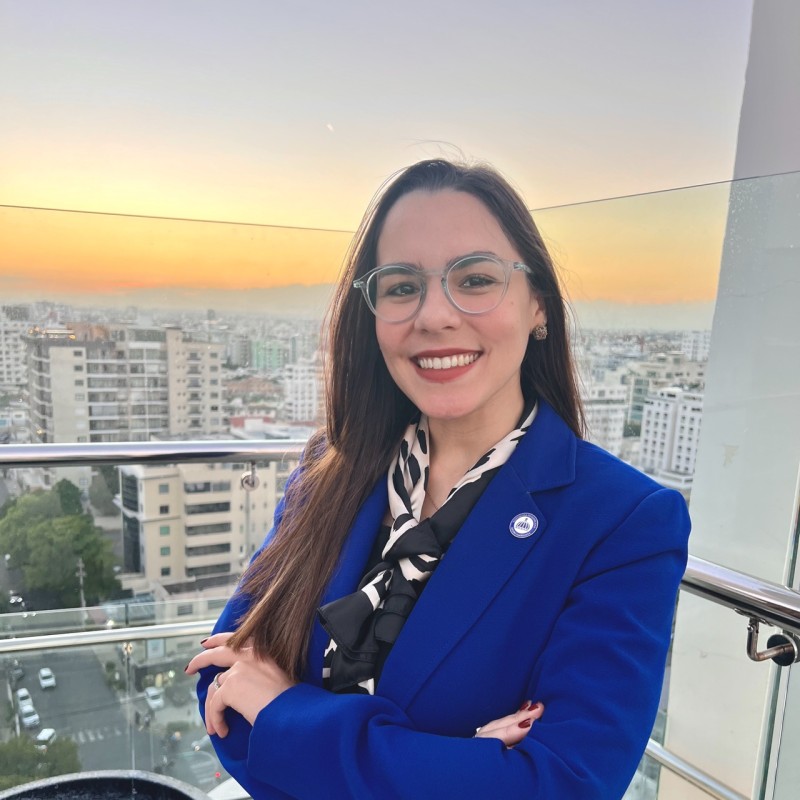
Gabriela Marquez is the Director of Climate Change and Resilience at the Ministry of Environment and Natural Resources of the Dominican Republic, leading national agendas on adaptation, mitigation, risk management, and climate transparency. Gabriela has worked in international climate negotiations under the UNFCCC and in the implementation of the Paris Agreement, including coordinating the country’s first Biennial Transparency Report and NDC update processes.
Fellow, Sustainability, Climate, and Geopolitics Program
Alejandro Martin Rodriguez is a fellow in the Sustainability, Climate, and Geopolitics Program at the Carnegie Endowment for International Peace. His research focuses on the social dimensions of climate change, and he manages projects on climate mobility, peace, and security.
Senior Fellow and Director, Sustainability, Climate, and Geopolitics Program

Leonardo Martinez-Diaz is senior fellow and director of the Sustainability, Climate, and Geopolitics Program at the Carnegie Endowment for International Peace. His fields of expertise include climate politics and diplomacy, climate finance, and mitigating and managing the risks of climate change to economies and communities.